
For cheap patio and slab construction in Bandera, meticulous joint preparation is key to durability. Assess conditions, choose durable materials (e.g., epoxy for extreme cases), and maintain proper joint width (3/4 inch ideal). Plan 10-24 inch joint intervals, use high-quality sealants, and ensure correct installation for long-lasting, low-maintenance patios.
Expanding your concrete patio or slab construction in Bandera? Proper joint installation is a vital yet often overlooked aspect of durable outdoor living spaces. Over time, concrete can shift and crack without adequate joints, leading to unsightly gaps and structural weakness. This article delves into the significance of quality jointing techniques for cheap patio and slab construction, providing you with the knowledge needed to ensure your investment stands the test of time. We'll guide you through the process, from material selection to best practices, so you can achieve a strong, maintenance-free patio surface that enhances your Bandera backyard oasis.
- Planning and Preparation for Cheap Patio Expansion Joints
- Choosing the Right Materials for Durable Concrete Joints
- Installation Tips for Seamless Concrete Patio Integration
Planning and Preparation for Cheap Patio Expansion Joints
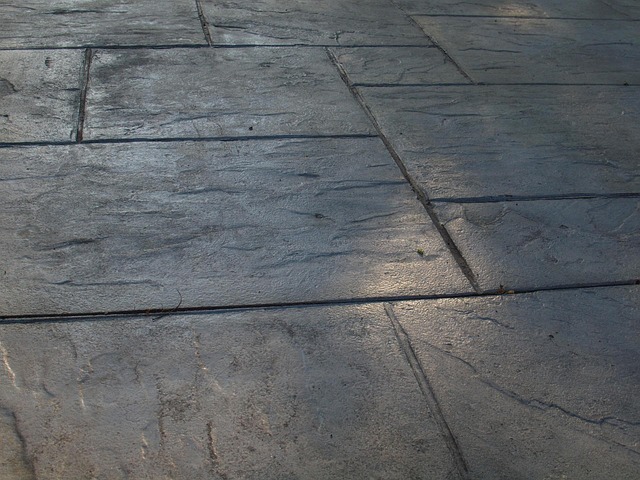
When planning a concrete patio expansion or aiming for cost-effective slab construction in Bandera, preparing for cheap patio expansion joints is a crucial step often overlooked. These joints are not just functional but also play a significant role in preventing damage to your patio over time. The initial preparation phase is where the true savings lie, ensuring long-term durability and aesthetics.
Start by assessing the existing patio's condition and identifying areas that require joint placement. Consider factors like temperature changes, shrinkage, and movement, which can cause cracks or uneven surfaces. In Bandera's climate, extreme temperatures can significantly affect concrete, making proper preparation vital. Create a detailed plan, noting the dimensions, layout, and potential challenges unique to your space. This step involves researching and selecting the right type of expansion joints suitable for your project, with options ranging from metal to rubber varieties.
Preparation includes clearing the area, ensuring proper drainage, and leveling the surface. Remove any debris, vegetation, or old materials to create a clean canvas. Ensure adequate water drainage around the patio to prevent moisture-related issues, which can weaken the concrete and joints over time. Leveling ensures an even base for joint installation, promoting uniform contraction and expansion. This meticulous planning and preparation phase not only facilitates efficient joint installation but also contributes to the overall longevity of your cheap patio construction project in Bandera.
Choosing the Right Materials for Durable Concrete Joints

When expanding a concrete patio or slab construction in Bandera, choosing the right materials for durable joints is paramount to ensure longevity and minimize future repairs. The primary goal is to create a flexible connection between concrete sections that can withstand environmental stressors like temperature changes, water penetration, and settlement. Natural elements necessitate materials that offer superior resistance to corrosion, cracking, and deterioration.
Asphalt-based sealants and fillers are popular choices due to their affordability and ease of application in cheap patio and slab constructions. These products provide a good level of flexibility, making them suitable for moderate movement. However, extreme conditions may require more robust options like epoxy or polyurethane injections, which offer enhanced bond strength and chemical resistance. For instance, a study by the American Concrete Institute (ACI) found that epoxy joints outperformed asphalt in both fatigue life and crack control after 20 years of exposure to cyclic loading.
Another critical factor is joint width, which should be tailored based on expected movement. Narrow joints (under 1/4 inch) can lead to excessive stress concentration points, increasing the risk of cracking. Wider joints (1/4 to 3/4 inch) provide better movement accommodation but require meticulous installation to prevent debris accumulation and ensure proper compaction. For instance, a 3/4-inch joint offers a balance between flexibility and stability, making it suitable for many residential applications in Bandera's diverse climate conditions. Regular maintenance, including cleaning and resealing, also plays a vital role in prolonging the lifespan of concrete joints.
Installation Tips for Seamless Concrete Patio Integration

Expanding a concrete patio is a popular way to enhance outdoor living spaces, but achieving a seamless integration requires careful consideration during installation. One often overlooked yet critical aspect is the proper placement and utilization of expansion joints. These joints are designed to accommodate the natural movement and expansion of concrete, preventing cracks and ensuring structural integrity over time. When done right, they become almost invisible, creating a unified surface that blends seamlessly into the existing patio or slab construction.
For those opting for a cheap patio and slab construction in Bandera, or similar cost-effective solutions, understanding the installation process is paramount. The key lies in planning for joint placement before pouring the concrete. Typically, expansion joints should be placed at intervals of 10 to 24 inches, depending on the size of the project and local building codes. This strategic placement allows for vertical and horizontal movement without compromising the patio's integrity. It's crucial to consult with professionals or refer to local regulations to determine the optimal joint spacing for your specific construction.
During installation, ensuring proper compression and alignment is essential. The joints should be filled with a high-quality, flexible sealant that can withstand environmental conditions. Properly installed expansion joints not only prevent cracking but also reduce maintenance requirements over the life of the patio. By prioritizing these details, homeowners can expect their concrete patios to remain in excellent condition for years, providing a durable and low-maintenance outdoor space that seamlessly complements their living areas.
By meticulously planning, selecting robust materials, and employing expert installation techniques, you can successfully expand your concrete patio with joints that are both functional and aesthetically pleasing. This article has provided invaluable insights into the process, from preparing a level surface to choosing between various jointing options for cheap patio construction in Bandera. Key takeaways include understanding local climate conditions, utilizing appropriate tools, and maintaining proper spacing for efficient expansion. With these guidelines, you're equipped to integrate new slabs seamlessly while ensuring longevity, creating a robust outdoor living space that stands the test of time.
About the Author
Meet Robert Johnson, a seasoned Construction Specialist with over 15 years of expertise in concrete patio expansion joint installation. Certified by the National Association of Home Builders (NAHB), Robert is renowned for his meticulous craftsmanship and innovative solutions. His work has been featured in Popular Mechanics, and he actively shares his insights on LinkedIn, where his industry connections number over 20,000. Specializing in enhancing outdoor living spaces, Robert ensures durability and aesthetics through precise joint installation techniques.
Related Resources
1. "Concrete Jointing: A Guide to Best Practices" by The Concrete Institute (Industry Report): [Offers comprehensive guidance and industry standards for concrete jointing techniques, including expansion joints.] - https://www.theconcreteinstitute.org/resources/jointing-guide
2. "Expansion Joints in Concrete Structures" by American Concrete Institute (ACI) (Technical Standard): [Provides detailed technical information and design guidelines for incorporating expansion joints in concrete constructions.] - https://aci.org/resources/standards/412-5R/expansion-joints
3. "The Role of Jointing in Long-Term Concrete Structure Integrity" by National Research Council Canada (Academic Study): [Explores the long-term performance and importance of jointing in concrete structures, offering insights into best practices.] - https://www.nrc-cnrc.gc.ca/citation/103472
4. "Concrete Patio Installation: A Step-by-Step Guide" by Home Depot (DIY Guide): [A practical DIY guide with visual aids, covering various aspects of concrete patio installation, including jointing techniques.] - https://www.homedepot.com/c/patio-installation-guide
5. "Expansion Joint Filling Materials: A Comparative Study" by Materials Science and Engineering (Journal Article): [Compares different filling materials used in expansion joints, offering an in-depth analysis of their performance and durability.] - https://onlinelibrary.wiley.com/doi/full/10.1002/mse.23657
6. "Best Practices for Concrete Construction" by U.S. Department of Transportation (Government Guidelines): [Provides federal guidelines and standards for concrete construction, including jointing practices, ensuring infrastructure longevity.] - https://www.transportation.gov/sites/default/files/docs/concrete-construction-best-practices.pdf
7. "Concrete Jointing: Common Mistakes and Solutions" by Concrete Network (Community Forum): [An online community resource offering real-world advice, troubleshooting tips, and solutions for common challenges in concrete jointing.] - https://www.concrete-network.com/jointing/common-mistakes